AI concerns wipe $1trn off Big Tech
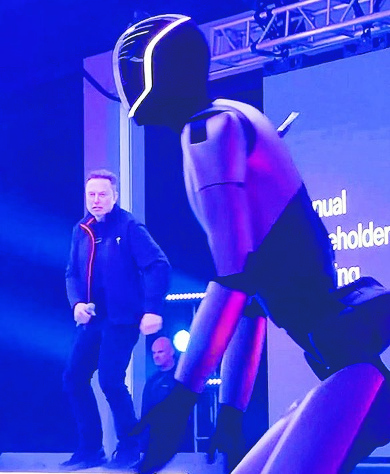
The Magnificent Seven group of America’s biggest technology stocks suffered their worst week since President Trump’s tariffs announcement in April as investors questioned the trajectory of the artificial intelligence boom.
Almost $1 trillion in combined market value was wiped off seven of America’s big tech companies: Nvidia, Meta Platforms, Microsoft, Amazon, Tesla, Alphabet and Apple.
The S&P 500 and the Nasdaq were poised for their worst weekly performances since March. The CBOE volatility index, known as Wall Street’s fear gauge, hit its highest level in three weeks.
Optimism about AI has pushed markets to record highs this year. However, concerns have emerged over the increasing use of debt to finance huge investments in AI infrastructure and the sky-high valuations of technology companies. John Higgins, chief markets economist at Capital Economics, said: “The principal concern I think that people have at this point is really about the earnings side of things.
“But I think there is a concern about how sustainable is all of this going forward, how is the rollout of AI and the huge capital spending that some of these companies have already undertaken and will continue to have to undertake as we move forward, how are we going to pay for all of this and really, is it sustainable?”
A sell-off in AI-related stocks began at the start of the week after the chief executives of Morgan Stanley and Goldman Sachs warned of the risk of a pullback in equity markets.
Investors were also troubled by regulatory filings showing that Michael Burry, 54, the hedge fund manager portrayed by Christian Bale in the film The Big Short, had made a $1.1 billion bet on share price declines in Nvidia, the AI chipmaker, and Palantir Technologies, which builds software powered by AI.
There are concerns about the US economy as the preliminary reading of the University of Michigan’s consumer sentiment index was the lowest since June 2022, at 50.3 this month.
Survey participants’ assessment of current conditions was largely responsible for the drop, plunging 10.8 per cent to the lowest reading in the survey’s history. The longest US government shutdown ever has led to an information gap, with Federal Reserve policymakers divided on the future of monetary policy as private data paints a mixed picture of the economy.



No comments:
Post a Comment